What is a WPC Door? Advantages and Disadvantages
News Details
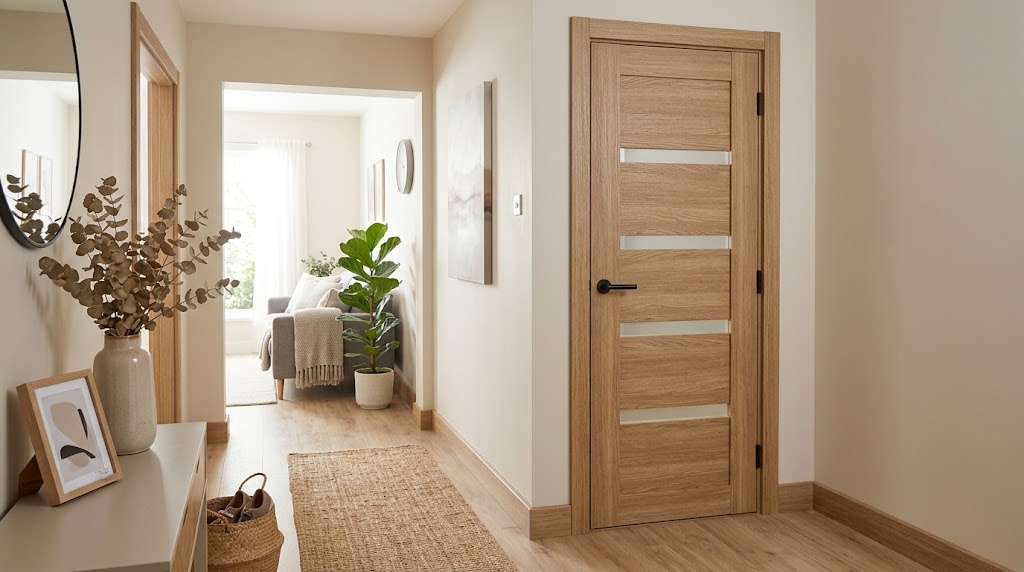
When you plan a modern interior design project, build a commercial property, or source building materials for global wholesale distribution, choosing the right interior door matters a lot. Traditional solid wood doors often warp, swell, or rot in humid environments like bathrooms and kitchens, while low-cost hollow doors lack durability and sound insulation. Fortunately, an innovative material has transformed the global architectural market. This comprehensive guide will explain what a WPC door is, explore its manufacturing process, and examine its main advantages and disadvantages in detail.
What is a WPC Door?
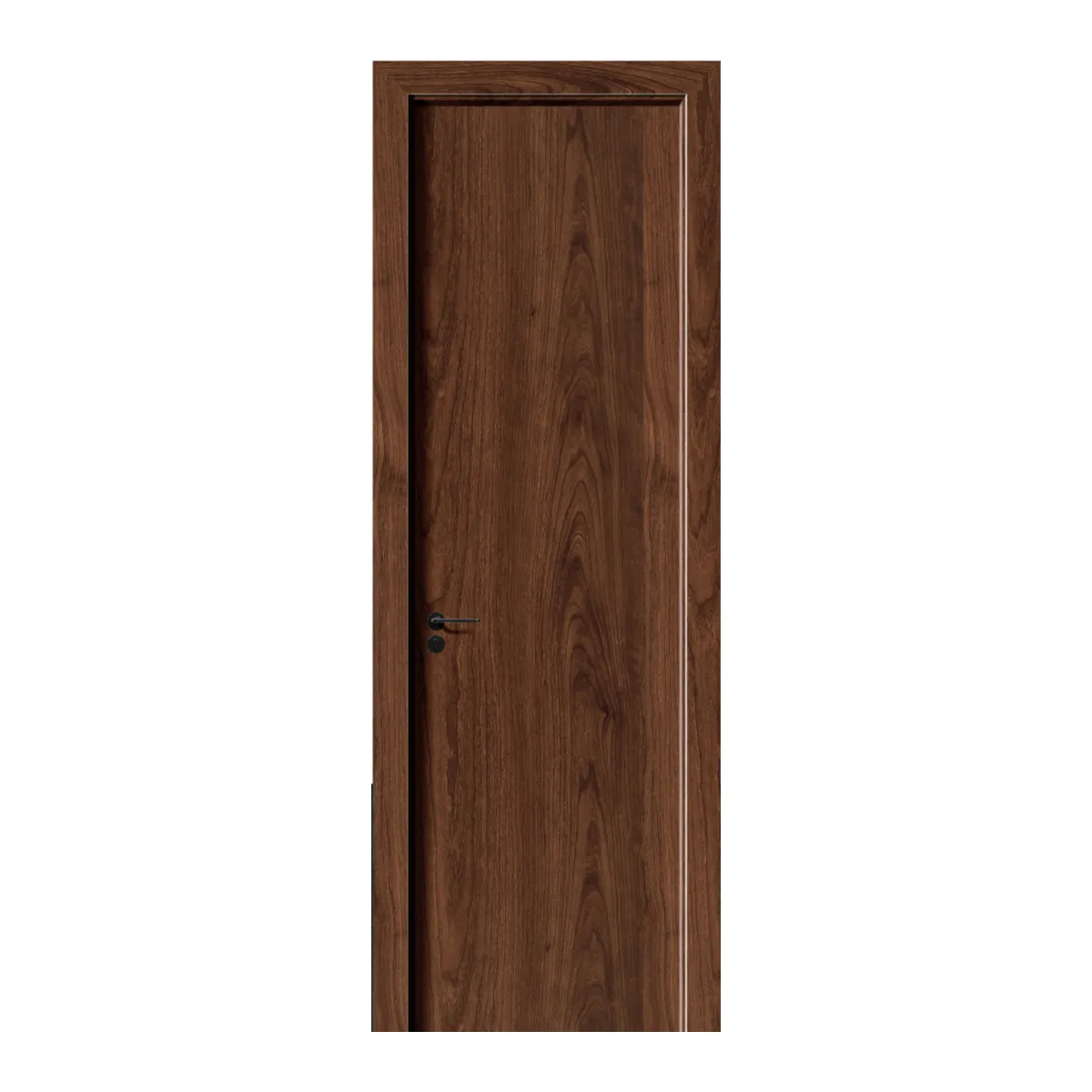
To fully understand this modern product, we first need to answer a simple question: what is a WPC door?
WPC stands for Wood Plastic Composite. A WPC door is manufactured using a precise, high-tech blend of recycled wood fibers, thermoplastic polymers (such as PVC, PE, or PP), and essential chemical additives including stabilizers, lubricants, and foaming agents. Manufacturers mix these raw materials together under controlled heat and high pressure, then extrude them into solid, high-density door panels, hollow-core panels, and door frames.
Unlike traditional timber, a WPC door combines the natural appearance and structural feel of wood with the superior weatherability and physical performance of plastic. Because of this unique composite structure, it resists moisture, water absorption, and insect attacks exceptionally well. Consequently, many large-scale real estate developments, hotel projects, and residential renovations now rely on a certified wpc door manufacturer to supply these eco-friendly, stylish, and long-lasting products for diverse interior applications.
The Manufacturing Process Behind Quality WPC Doors
Understanding how these doors are created helps buyers evaluate quality standards across different markets. A leading wpc door factory usually follows a standardized multi-step process:
-
Raw Material Preparation: Ultra-fine wood powder and virgin or recycled polymer resins are thoroughly cleaned, dried, and measured to precise ratios.
-
Compounding and Extrusion: The mixture is fed into heavy-duty twin-screw extruders where heat melts the plastics, blending them seamlessly with the wood fiber matrix.
-
Cooling and Molding: The continuous composite profile is pushed through precise dies to form door slabs or frames, then rapidly cooled in water baths to lock in dimensional stability.
-
Surface Finishing: The extruded panels are processed with surface treatments. Depending on design requirements, they can be laminated with heat-transferred PVC films, painted with eco-friendly coatings, or deeply engraved with CNC routers.
The Major Advantages of WPC Doors
WPC doors have quickly gained huge popularity among international builders, interior architects, contractors, and home improvement brands. Here are the top benefits that make them an outstanding investment for modern construction:
1. Superior Water and Moisture Resistance
Unlike natural wood that absorbs ambient humidity, WPC materials have near-zero water absorption rates. As a result, you can safely install these doors in high-moisture spaces like bathrooms, kitchens, basements, and humid coastal properties without worrying about swelling, rotting, peeling, or fungal growth.
2. Exceptional Durability and Pest Resistance
Termites and other wood-boring insects are major threats to conventional wooden joinery. However, the polymer matrix in WPC makes it entirely immune to pest infestation. Furthermore, WPC doors do not crack, split, or warp under changing environmental conditions, guaranteeing decades of service with virtually no maintenance.
3. Eco-Friendly and Sustainable Composition
Environmental sustainability is a core priority for modern construction projects. Most WPC doors use reclaimed wood waste and recycled plastics. Partnering with a responsible wpc door factory helps reduce global deforestation, lowers carbon emissions, and supports green building initiatives worldwide.
4. Great Soundproofing and Thermal Insulation
The thick outer walls and engineered internal structure of a WPC door provide excellent acoustic insulation, blocking unwanted hallway or exterior noise. Additionally, the composite material offers reliable thermal insulation, helping maintain comfortable indoor temperatures and reducing energy consumption for heating and cooling.
5. Fire Retardant Properties
Safety is paramount in any residential or commercial building. High-quality WPC doors exhibit strong flame-retardant qualities. They do not ignite easily, do not support open flames during a fire, and help slow down flame spread, offering added safety compared to traditional wood.
6. Versatile Aesthetic and Customization Options
WPC door panels can be customized to fit almost any architectural style. Whether you require rich natural wood grain finishes, crisp modern solid colors, or custom glass insert cutouts, a reliable wpc door supplier can tailor sizes, colors, and surface patterns to meet exact project specifications.
The Disadvantages of WPC Doors
While WPC doors offer many impressive benefits, every material has its trade-offs. It is essential to look at their limitations before placing a bulk procurement order:
1. Higher Initial Investment
Compared to basic flush doors or lightweight PVC hollow doors, a quality WPC door has a higher upfront cost. However, because they require no recurring repairs, painting, or early replacements, they deliver significantly higher value over their full lifespan.
2. Substantial Weight
Solid or thick-walled WPC doors are relatively heavy due to their dense composite structure. Therefore, proper installation demands strong hinges, robust door frames, and experienced installers to ensure smooth operation over time.
3. Sensitivity to Direct UV Radiation
Although WPC performs exceptionally well in indoor environments, prolonged exposure to direct outdoor sunlight and harsh UV rays can cause lower-grade surface laminates to soften, expand, or fade over time. Consequently, they are best suited for interior door applications rather than main exterior entrances.
4. Specialized Hardware Requirements
Because composite materials differ in density from natural wood, installing locks, handles, and hinges requires precise drilling and appropriate screw threads to ensure maximum holding strength without stripping the core.
WPC Doors vs. Traditional Wooden Doors
To help you compare your options clearly, here is a quick breakdown of how WPC doors compare against traditional solid or hollow wood doors:
| Feature | WPC Doors | Traditional Wood Doors |
| Water Resistance | 100% Waterproof | Poor (Absorbs moisture & swells) |
| Pest Resistance | Totally termite-proof | Vulnerable to termites & borers |
| Maintenance | Easy to clean, no repainting needed | Requires regular painting or varnishing |
| Environmental Impact | Uses recycled wood powder & plastic | Requires logging natural trees |
| Lifespan | Decades without warping | Shortened by humidity & rot |
How to Choose the Right WPC Door Supplier
Sourcing high-quality interior doors requires careful evaluation of your international manufacturing partner. When looking for a trusted wpc door supplier, keep these crucial factors in mind:
-
Production Capacity & Tech: Ensure the factory operates advanced extrusion machinery and strict quality control protocols to handle large bulk orders consistently.
-
Customization Options: A professional maker should offer diverse door thickness options, bespoke sizes, tailored surface films, and accurate lock-hole pre-drilling.
-
Certification & Compliance: Check if the manufacturer holds key international standards for fire safety, environmental safety, and material density.
-
Global Export Experience: Working with an experienced exporter ensures sturdy export packaging, clear logistics support, and smooth clearance process.
Conclusion
In summary, WPC doors offer an ideal combination of modern aesthetic appeal, high structural strength, and complete water resistance. Although they carry a slightly higher initial cost and weight, their outstanding long-term durability makes them one of the smartest choices for contemporary residential and commercial interiors.
Are you looking for reliable, high-performance interior door solutions for your upcoming distribution network or construction projects? Contact ENNOR todayto explore our premium product lines, request custom samples, and partner with our expert team for your wholesale needs.


