Composite Doors: The Ultimate Modern Home Upgrade Guide
News Details
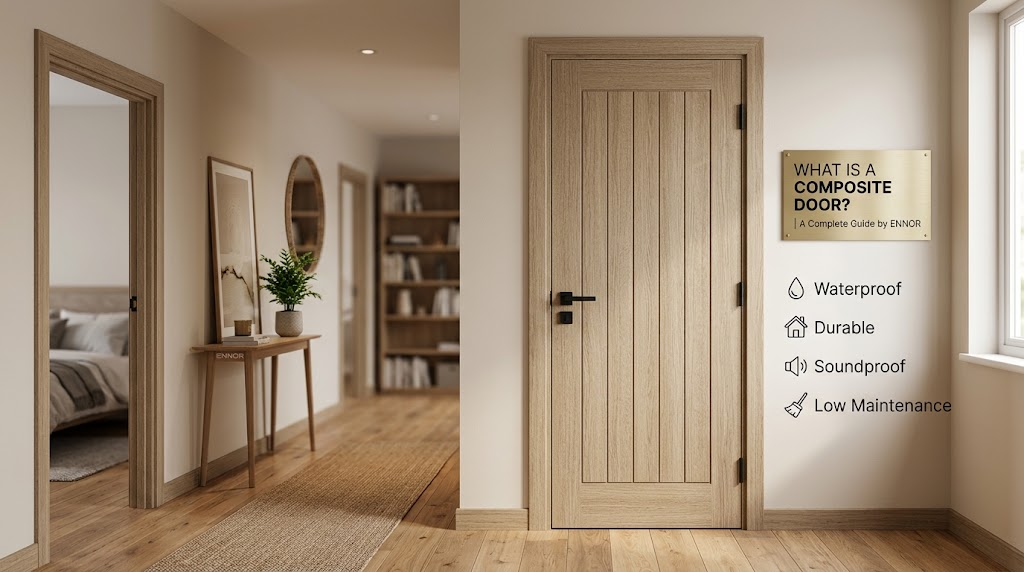
Choosing the right doors for your home can feel overwhelming because there are so many options on the market today. Traditional solid timber doors offer a classic look, but they often swell, warp, or crack when exposed to moisture. On the other hand, simple plastic doors can feel flimsy and lack true structural strength.
Fortunately, modern door technology gives us a smarter option. This guide explores what a composite door is, how it is made, and where it works best. We will also answer key questions like: What are the disadvantages of a composite door? Read on to find out if this durable solution is right for your next building or renovation project.
What Is a Composite Door?
To put it simply, a composite door is made from a blend of different materials rather than a single piece of wood or plastic. Instead of relying on one material, manufacturers combine several robust components under high heat and pressure.
Typically, the outer shell consists of a tough skin, such as Glass Reinforced Plastic (GRP) or specialized polymer laminates. Inside, the core contains dense insulating foam or a solid wood composite door structure. By fusing these distinct layers together, the door gains superior strength, high energy efficiency, and total resistance to bad weather.
Because of this clever design, modern composite doors look like natural timber, but they do not suffer from the usual problems of real wood.
Main Types of Composite Doors
Not all composite doors serve the same purpose. Depending on your project requirements, you can choose between two main structural variations:
1. Exterior Composite Doors
These doors are built primarily for main entrances, back doors, and patio access. They feature heavy-duty cores and weather-resistant outer skins designed to withstand heavy rain, strong winds, and harsh sunlight without fading or peeling.
2. Interior Composite Doors
Many homeowners and builders now install Interior composite doors throughout bedrooms, living rooms, and bathrooms. Because indoor areas like bathrooms experience high humidity, composite construction prevents doors from sticking or warping over time. Furthermore, their dense core blocks unwanted noise between rooms, giving you a quieter home.
The Top Advantages of Composite Doors
It is easy to see why composite doors have quickly become a top choice for modern home design and commercial developments. Here are the main benefits they offer:
-
High Water and Moisture Resistance: Unlike natural wood, composite materials do not absorb water easily. Thus, they will not rot, swell, or draft over time.
-
Low Maintenance Requirements: You never need to sand, varnish, or repaint a composite door. A quick wipe with a soft cloth and soapy water keeps it looking fresh for years.
-
Excellent Energy Efficiency: The thick thermal core inside keeps warmth indoors during winter and blocks heat during summer. As a result, you save money on monthly energy bills.
-
Enhanced Home Security: Thanks to their solid core and tough outer layers, these doors resist forced entry very well when paired with modern multi-point locks.
-
Wide Style and Color Variety: Whether you prefer a rustic oak finish or a sleek modern grey, you can customize surface textures, paneling styles, and colors to match any aesthetic.
What Are the Disadvantages of a Composite Door?
While these doors offer many great features, no product is completely perfect. You should consider the trade-offs before placing an order. So, what are the disadvantages of a composite door?
1. Higher Initial Cost
Compared to basic hollow interior doors or plain vinyl options, composite doors carry a higher upfront price tag. However, because they last for decades without needing repairs or repainting, their long-term value is much higher.
2. Heavy Weight
Because they contain dense solid cores and thick outer shells, these doors are heavier than standard options. Therefore, they require sturdy frames and heavy-duty hinges to function smoothly over time.
3. Professional Fitting Required
Due to their weight and precise structural design, installing a composite door is rarely a DIY job. Proper alignment is essential so the seals line up correctly and the locking systems operate smoothly.
How Composite Doors Compare to Traditional Timber
To help you decide, here is a quick look at how composite doors stack up against standard wood doors:
| Feature | Composite Doors | Traditional Wood Doors |
| Waterproof Level | High (Will not warp or rot) | Low (Swells in high humidity) |
| Maintenance Need | Very Low (Wipe clean only) | High (Requires regular painting/staining) |
| Lifespan | Decades with minimal wear | Varies based on weather and care |
| Acoustic Insulation | Excellent sound blocking | Moderate to low depending on core |
Why Choose ENNORfor Your Door Solutions?
When sourcing premium building components, finding a dependable partner makes all the difference. ENNOR provides high-quality architectural door solutions that blend modern material technology with refined craftsmanship. Whether you need reliable interior doors for multi-family residential projects or custom designs for commercial spaces, ENNOR delivers products built to perform.
Conclusion
Understanding what a composite door is helps you make informed choices for your property. By combining the natural charm of wood with the durability of modern composites, these doors offer outstanding strength, thermal comfort, and long-term convenience.
Ready to upgrade your living spaces or source premium doors for your upcoming project? Contact ENNOR today to explore our full product catalog and find the ideal door for your home.


