OEM Custom Cabinet Manufacturing: From Design Files to Mass Production
News Details
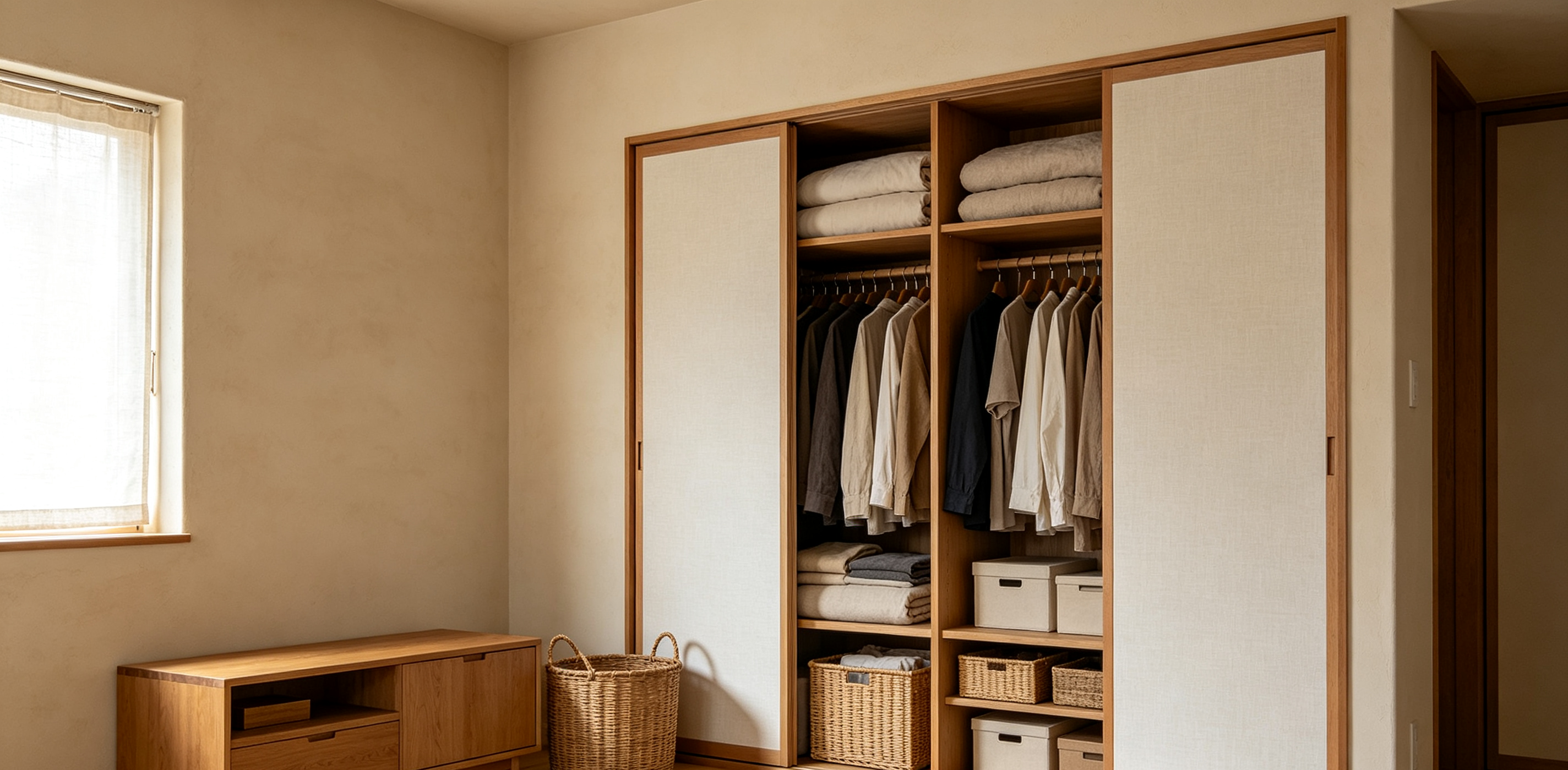
For brands, furniture distributors, contractors, and property developers, custom cabinet manufacturing is more than simply making furniture. A successful project must connect design, engineering, materials, production, quality control, and delivery.
This is where a reliable OEM cabinet manufacturermakes a difference.
A professional factory can take a concept, CAD drawing, 3D rendering, or complete design package and turn it into a repeatable product for mass production. At ENNOR, this process combines custom engineering, automated manufacturing, strict quality checks, and global project experience.
Here is how the journey works, from the first design file to finished cabinets ready for delivery.
1. Design Files Become a Production Plan
Every OEM project starts with the customer's design.
The files may include CAD drawings, 3D models, renderings, dimensions, material specifications, hardware requirements, or even simple reference images. However, a design that looks good on screen is not always ready for production.
First, the engineering team reviews the design in detail. They check dimensions, panel structures, connections, edge details, hardware positions, and installation requirements.
Next, the team identifies possible production issues. For example, some cabinet dimensions may need adjustment to match available materials or production limits. Some complex shapes may also require a different manufacturing method.
This engineering step helps turn a design concept into a practical production solution.
ENNOR's engineering team can work with 3D CAD files, renderings, and architectural layouts, helping optimize materials, edge-banding, structural design, and project costs.
2. Material and Hardware Selection
After the design is confirmed, the next step is choosing the right materials and components.
For custom cabinets, this can include:
- Cabinet boards and panels
- Wood veneer and decorative surfaces
- Paint or specialty finishes
- Glass and aluminum components
- Hinges and drawer systems
- Handles and other hardware
- LED lighting
- Edge-banding materials
The choice depends on the product design, target market, budget, durability requirements, and project environment.
For example, residential cabinets may focus on appearance and daily comfort, while hospitality and commercial projects may place greater focus on durability, consistency, and installation efficiency.
ENNOR provides custom furniture solutions for residential, hospitality, and commercial projects, with materials and products designed to meet international requirements such as E0, CARB P2, and F4-Star standards.
3. From Prototype to Sample Approval
Before mass production begins, a sample or prototype can be produced.
This is an important checkpoint for both the customer and the factory.
The sample allows the customer to review the actual:
- Dimensions
- Color
- Surface finish
- Material texture
- Hardware
- Door and drawer operation
- Assembly method
- Overall appearance
If changes are needed, the engineering team can update the production drawings before large-scale manufacturing starts.
This approach reduces the risk of costly changes later. It also helps ensure that the final production matches the approved design.
For brands developing private label cabinets, this stage is especially useful. The approved sample becomes a clear reference for future production batches.
4. Production Drawings Lock Down Every Detail
Once the sample is approved, the project moves into detailed production.
At this stage, design information is converted into manufacturing drawings and production data.
Each cabinet component needs clear specifications. These can include panel dimensions, drilling positions, edge treatment, hardware locations, finish requirements, and assembly instructions.
The goal is simple: every production unit should follow the same standard.
This is one of the key differences between basic furniture sourcing and professional custom furniture OEM manufacturing. A strong OEM process creates a repeatable production system instead of relying only on manual interpretation.
5. Automated Manufacturing for Consistent Results
Mass production requires both capacity and consistency.
ENNOR operates a 26,000㎡ smart factory equipped with automated production lines. The company focuses on precision manufacturing and high-capacity production for large-scale contract projects.
Automation helps control repeated operations across large production orders. It can improve dimensional consistency, reduce manual errors, and support stable output.
For cabinet brands and project buyers, this matters because the first unit and the thousandth unit should maintain the same design standards.
A reliable cabinet ODM partner should therefore offer more than machinery. It should combine equipment with experienced engineering, production management, and quality control.
6. Quality Control at Multiple Stages
Quality control does not begin at the end of production.
Instead, it should run through the entire manufacturing process.
Materials are checked before production. During manufacturing, key dimensions and processing details are monitored. After assembly, finished cabinets can be inspected for appearance, structure, hardware operation, and overall fit.
ENNOR also highlights 100% pre-assembly factory testing and strict quality gates for its custom commercial furniture projects.
This process is especially important for large projects. If hundreds of cabinets are produced for a hotel, residential development, or office, even a small production problem can become a major installation issue.
7. Packaging and Global Delivery
After final inspection, the cabinets need to be prepared for shipment.
Custom furniture often contains large panels, doors, glass, hardware, and finished surfaces. Therefore, packaging must protect the products during handling and long-distance transportation.
For international projects, packaging and shipping planning should be considered from the beginning rather than added at the last minute.
ENNOR serves customers in markets including the United States, Germany, Japan, South Korea, the UAE, and Saudi Arabia, giving its manufacturing process an international project focus.
8. Why Choose ENNOR as an OEM Cabinet Manufacturer?
A successful cabinet project depends on the entire chain, not just the final product.
ENNOR combines design support, engineering, custom manufacturing, automated production, quality control, and international delivery in one production system.
Its experience covers residential furniture, hospitality projects, commercial offices, full-space cabinetry, and custom millwork.
For businesses, this creates several practical advantages:
- Design flexibility: Production can be developed from CAD files, renderings, and architectural layouts.
- OEM and ODM support: Suitable for brands that need private-label products or customized product development.
- Scalable production: Automated manufacturing supports larger project orders.
- Consistent quality: Standardized production and factory testing help maintain product consistency.
- Material flexibility: Different finishes, hardware, and structural solutions can be developed for different projects.
- International project experience: Products are supplied to multiple global markets.
From One Design File to a Complete Cabinet Project
OEM cabinet manufacturing is a complete process. It starts with an idea or design file and continues through engineering, material selection, sampling, production drawings, manufacturing, inspection, packaging, and delivery.
The right manufacturing partner can make this process much easier.
For brands looking for private label cabinets, businesses developing custom furniture OEM products, or project buyers searching for a reliable cabinet ODM and OEM cabinet manufacturer, ENNOR provides an integrated manufacturing solution from design development to mass production.
With a smart 26,000㎡ factory, automated production capabilities, independent R&D, and experience serving international markets, ENNOR is equipped to turn custom cabinet concepts into scalable furniture solutions.
Ready to develop your next custom cabinet project? ContactENNOR to discuss your drawings, materials, specifications, and production requirements.


