What's the Difference Between a Buffet and a Sideboard?
News Details
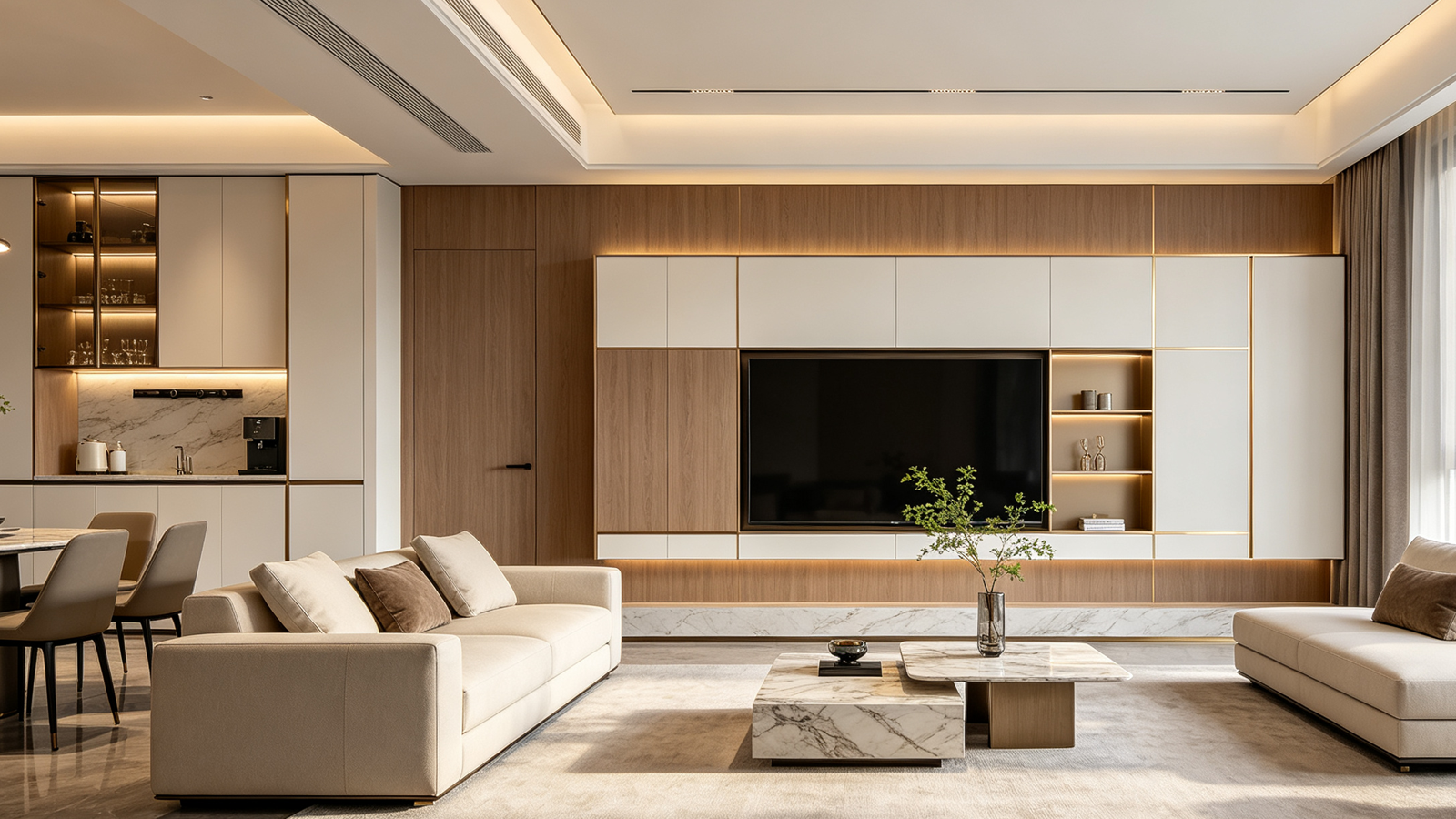
Shopping for home storage furniture can quickly get confusing. As you browse online catalogs or showroom floors, you will often see terms like sideboards and buffets used interchangeably. At first glance, both pieces look nearly identical. Both feature low, wide cabinets designed to hold dishes, linens, and household items.
However, subtle differences in design, height, and room placement separate the two. Understanding these distinction helps you pick the right furniture piece for your home layout and daily habits.
This guide explains the key differences between a buffet and a sideboard, exploring how each item functions in different living spaces.
Defining the Basics:Sideboards vs. Buffets
To understand how these two pieces differ, you must first look at their traditional origins and primary roles in home decor.
What Is a Sideboard?
A sideboard is a long, low storage cabinet with short legs or a base that sits flat on the floor. Historically, people placed sideboards against the wall in dining rooms or long hallways to store serving dishes and silverware. Over time, modern interior design brought sideboards into living rooms, entryways, and home offices.
Today, a sideboard serves as a versatile storage cabinet anywhere in the house. Many designs feature combinations of flat doors and central drawers, making them highly practical for organizing everyday items.
What Is a Buffet?
A buffet is essentially a specific type of sideboard designed explicitly for dining areas. The term "buffet" comes from the French practice of serving food from a long table or side cabinet.
Buffets are typically taller than standard sideboards. Because the top surface sits higher off the ground, guests and hosts can easily stand beside it to serve food during family gatherings or dinner parties.
Key Differences: Comparing Height, Legs, and Room Placement
While both furniture pieces provide hidden storage, three primary design factors set them apart: height, leg style, and room placement.
1. Surface Height
Height is the easiest way to tell the difference:
-
Buffets usually stand between 34 and 38 inches high. This counter-like height allows people to comfortably plate food without bending over.
-
Sideboards sit slightly lower, usually between 28 and 34 inches high. This lower height keeps the cabinet from blocking sightlines across open living spaces.
2. Leg Style and Overall Profile
Leg proportions also separate the two styles:
-
Buffets often feature taller, exposed legs that elevate the cabinet box, creating an elegant silhouette suited for formal dining rooms.
-
Sideboards frequently feature shorter legs, tapered wooden feet, or solid bases that rest flush against the floor.
3. Room Location and Primary Function
Location dictates how you name and use the furniture piece:
-
If the cabinet stands in a dining room holding dinnerware and serving platters, it functions as a buffet.
-
If the exact same cabinet sits in a foyer or lounge holding books, media devices, or board games, it functions as a sideboard.
How to Choose the Right Piece for Your Living Room or Dining Room
Because modern furniture design blends these styles together, choosing the right piece comes down to evaluating your personal storage needs and floor plan.
Choosing Sideboards for Living Room Layouts
When furnishing a lounge or media room, sideboards for living room spaces offer exceptional flexibility. Because they feature a lower profile, they work remarkably well as television stands, media consoles, or accent tables behind a sofa.
Furthermore, using sideboards with drawers in the living room helps tuck away remote controls, charging cables, extra blankets, and games, keeping clutter completely out of sight.
Selecting Sideboards for Dining Room Entertaining
If you love hosting dinner parties, choosing dedicated sideboards for dining room use simplifies table preparation. Look for cabinets with broad top surfaces that hold serving platters, coffee urns, or wine bottles during meals.
In addition, built-in shelving inside the doors easily holds bulky punch bowls, wine glasses, and seasonal table runners.
Premium Home Storage Solutions from Ennor Living
Finding durable, stylish furniture requires a reliable manufacturing partner. Ennor specializes in crafting high-quality modern furniture, offering an extensive selection of functional cabinets, credenzas, and home storage pieces.
Combining natural wood textures, clean architectural lines, and sturdy hardware, Ennor Living creates furniture that elevates modern interiors:
-
Versatile Sideboards and Buffets: Ennor Living offers a wide array of storage options suited for both formal dining spaces and casual living areas.
-
Smart Storage Configurations: Featuring smooth-gliding sideboards with drawers and adjustable interior shelves, these designs maximize storage space for homes of any size.
-
Durable Craftsmanship: Built with premium materials and precision engineering, Ennor Living cabinets withstand daily family use while retaining their refined finish.
Whether you need a sleek media console for your TV or an elegant food-serving cabinet for your dining table, exploring the sideboards for sale at Ennor Living helps you find the perfect blend of style and utility.
Summary: Making the Best Choice for Your Home
To recap, the choice between a buffet and a sideboard comes down to how and where you plan to use it:
-
Choose a buffet if you need a taller cabinet specifically designed for serving meals and storing dinnerware in a formal dining room.
-
Choose a sideboard if you want a lower, multi-purpose cabinet that works equally well in living rooms, entryways, or open-concept spaces.
By matching the height, style, and storage features to your room layout, you create a organized, welcoming home environment that serves your family for years to come.


